-
A rising tide that lifts all boats: Long-term effects of the Alaska Permanent Fund Dividend on poverty
Matthew Berman
Although not designed as a social program to redistribute income, the Alaska Permanent Fund Dividend (PFD) has been reducing poverty by providing equal annual payments to nearly all state residents for over 40 years. We examine direct effects of the PFD on Alaska poverty rates since 1990, using US Census and American Community Survey Public Use Microdata Sample records to adjust for under-reporting of children's PFD income in official statistics. We estimate that the PFD reduced the number of Alaskans with incomes below the US poverty threshold by 20%–40%. We measure only a small effect on income distribution: a 0.02 reduction in the Gini coefficient. The effect of the PFD has been even larger for vulnerable populations. The PFD has reduced poverty rates of rural Indigenous Alaskans from 28% to less than 22%, and has played an important role in alleviating poverty among seniors and children. Aside from the special case of 2020, up to 50% more Alaska children—15% instead of 10%—would be living in poor families without PFD income. The poverty-ameliorating effects of the PFD have lessened somewhat since 2000, as dividend amounts adjusted for inflation have been declining.
-
Long-term effects of group rights to fisheries: Evaluating the Western Alaska Community Development Quota program
Matthew Berman
Restricting access to fisheries and other common property resources through creation of individual transferable rights has been documented to create wealth and promote conservation, but has also reduced employment and increased inequality in fishing communities. Creating group rights instead of individual rights has been suggested as an alternative strategy that could realize the benefits with diminished social cost; however, little independent evaluation of actual implementations of group rights to fisheries has occurred. The Western Alaska Community Development Quota (CDQ) program represents an example of allocation of group fishery rights to six not-for-profit organizations representing 65 small, largely Indigenous coastal communities. Using a unique data set of individual and household survey records spanning more than 25 years, we applied a difference-in-differences approach to measure changes in a variety of social and economic indicators, including Indigenous language use and educational attainment, employment, earnings, income, and poverty status, while controlling for demographic and general economic changes over the years. We found significant differences in outcomes for individuals and households in CDQ-participating communities from those residing in nearby communities ineligible for participation. Differences were especially pronounced for earnings and income. Results suggest that group rights can provide significant social benefits. The relatively small community populations provides insufficient power to determine statistically whether the benefits of the CDQ program have been increasing or diminishing over the years, or whether some communities have benefited more than others.
-
Rural–urban migration of Alaska Indigenous peoples: changing patterns and drivers
Matthew Berman and Ruoqing Wang-Cendejas
Migration from rural areas to urban population centers has long been associated with modernization; a pattern one might expect to accelerate as advancing climate change degrades rural land-based livelihoods. Does rural–urban migration of arctic Indigenous peoples follow a similar pattern? Has depopulation of rural arctic areas accelerated as climate-driven environmental change has intensified in the rapidly warming arctic? What are the main drivers of mobility, both historically and more recently? We address these questions through a review and synthesis of empirical studies of rural–urban migration of arctic Indigenous peoples using individual records over the past four decades, along with analysis of new data informed by those previous studies. The use of microdata allows us to incorporate variation in individual situations and choices as well as community characteristics that vary across space and time, permitting us to make inferences about factors associated with decisions to move. The evidence shows that rural–urban migration patterns appear largely to have persisted over the decades, but some drivers have changed. Living costs appear to have replaced livelihood opportunities as the dominant driver since 2000. Other changes in decisions to move are complex, and require additional research to understand.
-

Formerly used defense sites on Unalaska Island, Alaska: Mapping a legacy of environmental pollution
Renee Jordan‐Ward, Frank A. Hippel, and Jennifer Schmidt
Unalaska Island, Alaska, served as a US military base during World War II. The military installed bases on Unalaska and nearby islands, many of which were built adjacent to Unangan communities. The military used toxic compounds in its operations and left a legacy of pollution that may pose health risks to residents and local wildlife. The goals of this study were to identify hotspots of contamination remaining at Unalaska formerly used defense (FUD) sites, evaluate the risk posed by arsenic, and examine “no US Department of Defense action indicated” (NDAI) status determinations for FUD sites near communities. We compiled soil chemistry data from remediation reports prepared by the US Army Corps of Engineers at 18 FUD sites on and near Unalaska. Nine had past and/or active remediation projects and on-site sampling data. Eight sites did not have sampling data and were characterized as NDAI. One site was listed as closed. For the nine sites with sampling data, we compiled data for 22 contaminants of concern (COC) and compared concentrations to soil cleanup levels for human health (18 AAC 75.341). We mapped contaminant concentrations exceeding these levels to identify hotspots of contamination. We found that concentrations of some of the 22 COC exceeded Alaska cleanup levels despite remediation efforts, including diesel range organics, arsenic, and lead. The highest COC concentrations were at the FUD site adjacent to the City of Unalaska. A quantitative risk assessment for arsenic found that the risk of exposure through drinking water is low. We highlight concerns with NDAI designations and current remedial practices at remote FUD sites located adjacent to communities. Our data suggest the need for further remediation and monitoring efforts on Unalaska for certain contaminants and research to examine potential threats to human and animal health associated with these sites.
-
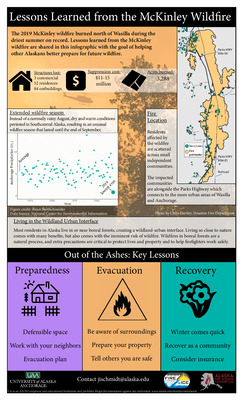
Avoid getting burned: lessons from the McKinley wildfire in rural Alaska, USA
N/A N/A
Background Climate change and continued development in the wildland–urban interface (WUI) have increased risks to property and infrastructure from destructive wildfires. Aims A better understanding of the factors associated with building survival will promote resilience of WUI communities. Methods We studied factors associated with the likelihood that a building burned during the 2019 McKinley fire in the Alaska boreal forest, USA. We examined the potential influence of both ecological or socio-economic factors on building loss. Key results The probability of a building burning was significantly associated (P < 0.001) with a building burning nearby (within 30 m). Having less flammable deciduous cover nearby (within 100 m) improved survival. Buildings with lower value on larger parcels were more likely to burn, as were buildings with larger perimeters. Other important factors associated with burning included the number of buildings both nearby (within 30 m) and within the property parcel boundary. Conclusions Our results suggest that social and ecological factors contribute to building survival, indicating that a comprehensive social-ecological approach would provide the most effective support to WUI communities with wildfire risks. Implications Implications A comprehensive approach that integrates social, economic, and ecological factors is important in understanding building loss in WUI wildfires.
-
Formerly used defense sites on Unalaska Island, Alaska: Mapping a legacy of environmental pollution
Jennifer Schmidt
Unalaska Island, Alaska, served as a US military base during World War II. The military installed bases on Unalaska and nearby islands, many of which were built adjacent to Unangan communities. The military used toxic compounds in its operations and left a legacy of pollution that may pose health risks to residents and local wildlife. The goals of this study were to identify hotspots of contamination remaining at Unalaska formerly used defense (FUD) sites, evaluate the risk posed by arsenic, and examine “no US Department of Defense action indicated” (NDAI) status determinations for FUD sites near communities. We compiled soil chemistry data from remediation reports prepared by the US Army Corps of Engineers at 18 FUD sites on and near Unalaska. Nine had past and/or active remediation projects and on-site sampling data. Eight sites did not have sampling data and were characterized as NDAI. One site was listed as closed. For the nine sites with sampling data, we compiled data for 22 contaminants of concern (COC) and compared concentrations to soil cleanup levels for human health (18 AAC 75.341). We mapped contaminant concentrations exceeding these levels to identify hotspots of contamination. We found that concentrations of some of the 22 COC exceeded Alaska cleanup levels despite remediation efforts, including diesel range organics, arsenic, and lead. The highest COC concentrations were at the FUD site adjacent to the City of Unalaska. A quantitative risk assessment for arsenic found that the risk of exposure through drinking water is low. We highlight concerns with NDAI designations and current remedial practices at remote FUD sites located adjacent to communities. Our data suggest the need for further remediation and monitoring efforts on Unalaska for certain contaminants and research to examine potential threats to human and animal health associated with these sites.
-
Increasing multi-hazard climate risk and financial and health impacts on northern homeowners
Jennifer Schmidt
Currently, more than half of the world’s human population lives in urban areas, which are increasingly affected by climate hazards. Little is known about how multi-hazard environments affect people, especially those living in urban areas in northern latitudes. This study surveyed homeowners in Anchorage and Fairbanks, USA, Alaska’s largest urban centers, to measure individual risk perceptions, mitigation response, and damages related to wildfire, surface ice hazards, and permafrost thaw. Up to one third of residents reported being affected by all three hazards, with surface ice hazards being the most widely distributed, related to an estimated $25 million in annual damages. Behavioral risk response, policy recommendations for rapidly changing urban environments, and the challenges to local governments in mitigation efforts are discussed.
-
Spatial distribution of wildfire threat in the far north: exposure assessment in boreal communities
Jennifer Schmidt
Increased wildfire activity has raised concerns among communities about how to assess and prepare for this threat. There is a need for wildfire hazard assessment approaches that capture local variability to inform decisions, produce results understood by the public, and are updatable in a timely manner. We modified an existing approach to assess decadal wildfire hazards based primarily on ember dispersal and wildfire proximity, referencing landscape changes from 1984 through 2014. Our modifications created a categorical flammability hazard scheme, rather than dichotomous, and integrated wildfire exposure results across spatial scales. We used remote sensed land cover from four historical decadal points to create flammability hazard and wildfire exposure maps for three arctic communities (Anchorage and Fairbanks, Alaska and Whitehorse, Yukon). Within the Fairbanks study area, we compared 2014 flammability hazard, wildfire exposure, and FlamMap burn probabilities among burned (2014–2023) and unburned areas. Unlike burn probabilities, there were significantly higher in exposure values among burned and unburned locations (Wilcoxon; p < 0.001) and exposure rose as flammability hazard classes increased (Kruskal–Wallis; p < 0.001). Very high flammability hazard class supported 75% of burned areas and burns tended to occur in areas with 60% exposure or greater. Areas with high exposure values are more prone to burn and thus desirable for mitigation actions. By working with wildfire practitioners and communities, we created a tool that rapidly assesses wildfire hazards and is easily modified to help identify and prioritize mitigation activities.
-
Engagement with mHealth Alcohol Interventions: User Perspectives on an App or Chatbot-Delivered Program to Reduce Drinking
Robyn N. Sedotto, Alexandra E. Edwards, Partick L. Dulin, and Diane K. King
Research suggests participant engagement is a key mediator of mHealth alcohol interventions’ effectiveness in reducing alcohol consumption among users. Understanding the features that promote engagement is critical to maximizing the effectiveness of mHealth-delivered alcohol interventions. The purpose of this study was to identify facilitators and barriers to mHealth alcohol intervention utilization among hazardous-drinking participants who were randomized to use either an app (Step Away) or Artificial Intelligence (AI) chatbot-based intervention for reducing drinking (the Step Away chatbot). We conducted semi-structured interviews from December 2019 to January 2020 with 20 participants who used the app or chatbot for three months, identifying common facilitators and barriers to use. Participants of both interventions reported that tracking their drinking, receiving feedback about their drinking, feeling held accountable, notifications about high-risk drinking times, and reminders to track their drinking promoted continued engagement. Positivity, personalization, gaining insight into their drinking, and daily tips were stronger facilitator themes among bot users, indicating these may be strengths of the AI chatbot-based intervention when compared to a user-directed app. While tracking drinking was a theme among both groups, it was more salient among app users, potentially due to the option to quickly track drinks in the app that was not present with the conversational chatbot. Notification glitches, technology glitches, and difficulty with tracking drinking data were usage barriers for both groups. Lengthy setup processes were a stronger barrier for app users. Repetitiveness of the bot conversation, receipt of non-tailored daily tips, and inability to self-navigate to desired content were reported as barriers by bot users. To maximize engagement with AI interventions, future developers should include tracking to reinforce behavior change self-monitoring and be mindful of repetitive conversations, lengthy setup, and pathways that limit self-directed navigation.
-
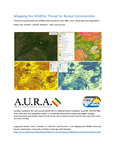
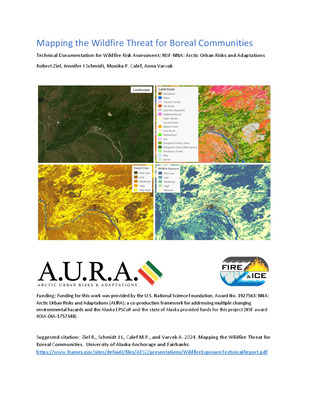
Mapping the wildfire threat to boreal communities
R. Ziel and Jennifer Schmidt
Considerable interest and effort in identifying significant wildfire risk is drawn from the catastrophic impact of increasingly large and destructive wildfires on people, their health and safety, and the values and developments that support them. Improved methods include updated efforts to represent hazard and exposure across landscapes and within communities. The tools and techniques applied and evaluated here are collectively called Wildfire Exposure Assessment, a process developed and published by Jennifer L. Beverly (University of Alberta) and others. The simplicity and speed of the Exposure Assessment method make it an important prospect for communities planning for the protection of their citizenry and the values that support them. It makes few assumptions about factors difficult to assert and quantify over planning time horizons. Applied here specifically for communities in the Boreal biome, its utility is evaluated for three communities: Anchorage and Fairbanks in Alaska, and Whitehorse in the Yukon Territory. Further, it has been applied to all lands for both Alaska and the Yukon Territory based on vegetation classification from 2014. To this day, all spatial depictions of wildfire hazard begin as vegetation maps. The NASA Arctic Boreal Vulnerability Experiment (ABoVE), among its many environmental assessments, produced a consistent, historical catalog of vegetation and land cover classifications over the life of the LANDSAT period of record, dating to 1984. These provided a consistent and useful set of products for use in establishing the spatial distribution of wildfire hazards and the utility these datasets could provide for the three boreal communities considered.
-
Equitable Compensation to Attract and Retain Qualified Teachers in High-Need Alaska Public Schools
Matthew Berman and Dayna Jean DeFeo
Measuring the appropriate level of teacher compensation for different working conditions requires overcoming a number of empirical challenges, including defining and measuring differences in qualifications, effects of non-wage compensation, financial constraints, and lack of market clearing. We address those challenges in a study of teacher compensation in Alaska’s 462 public schools in 53 districts. Each of our three linked empirical specifications produces a set of different compensation adjustments needed to offset differences in working conditions across schools and communities. However, an overall pattern is clear: if districts wish to attract and retain teachers of similar qualifications across all schools, schools serving mainly racially minoritized and low-income populations will need to pay substantially more than they currently do. Estimated required compensation adjustments are quite large in some cases, illustrating the need to address working conditions and other factors that affect teachers’ choices to accept and stay in jobs at high-need schools.
-
Cancer Education for High School Students in the Northwest Arctic Increases Knowledge and Inspires Intent to Share Information and Reduce Cancer Risk
Katie Cueva and Jennifer Schmidt
Culturally appropriate cancer education is an opportunity to reduce health inequities in cancer. This manuscript describes the outcomes of piloting cancer education for youth in the Northwest Arctic region of Alaska. The project began due to community concerns, was focused through sharing circles conducted in the region, and was guided by a community advisory board. The project was based on the principles of Community Based Participatory Action Research (CBPAR), honored Indigenous Ways of Knowing, and was grounded in Empowerment Theory. In response to community requests, eleven cancer education lessons were developed for young people in the Northwest Arctic. Several lessons were piloted in spring 2022. Each participant was invited to complete a pre-lesson and a post-lesson survey. A total of 113 surveys were completed from five different lessons: 66 pre-lesson surveys and 47 post-lesson surveys. Respondents' mean cancer knowledge scores were significantly higher after the Cancer Basics lesson. On 98% of post-lesson surveys, respondents said they planned to share cancer education messages such as staying tobacco-free and increasing physical activity with others, including their family, friends, and community members. On 93% of the post-lesson surveys, respondents indicated they planned to make changes to reduce their own personal cancer risk, including by staying tobacco-free, eating healthier, and increasing physical activity. "Cancer is serious, and something we should start talking about".
-
State-based policies on alcohol use during pregnancy
Kathryn E. Davis, Alexandra E. Edwards, and Diane K. King
Alcohol use is common in the United States. In 2020, 54.2% of adults age 18 and older reported drinking in the last month.1 Among female adults age 18 and older, 66.9% reported consuming alcohol in the last year and 51.2% reported any alcohol use in the past month.1 An estimated 9% of women have an alcohol use disorder.1 Approximately 18% of reproductive-age women (18–44 years) binge drink (defined as consuming four or more standard drinks in about 2 hours for women).2,3 Concerningly, analysis of data from the Behavioral Risk Factor Surveillance System (BRFSS) collected between 2011 and 2018 suggests that alcohol consumption during pregnancy is increasing.4 Recent analysis of 2018–2020 BRFSS data indicates that 13.5% of pregnant adults reported current drinking and 5.2% reported binge drinking, and these numbers are likely an underestimation.4,5 Fetal alcohol spectrum disorders (FASDs) are a range of life-long developmental conditions associated with exposure to alcohol during pregnancy.6 These conditions include fetal alcohol syndrome, partial fetal alcohol syndrome, alcohol-related neurodevelopmental disorder, alcohol-related birth defects, and neurobehavioral disorder associated with prenatal alcohol exposure.7,8 According to recent estimates, up to 1 in 20 schoolchildren in the US may have FASDs.9 The impact of such alcohol exposure can result in changes in brain development, manifesting as impaired neurocognitive function, poor executive functioning, attention deficits, and memory impairment, among other outcomes.7,9 Additionally, prenatal alcohol exposure can result in adverse birth outcomes such as premature birth and low birth weight.10 In an effort to reduce the number of alcohol-exposed pregnancies, 43 states have implemented legislation targeting alcohol use among pregnant people. This brief report summarizes the current status of these policies.
-
Adapting adaptive design methods to accelerate adoption of a digital asthma management intervention
Diane K. King, Bruce G. Bender, Peter J. Cvietusa, Glenn K. Goodrich, and Jo Ann Shoup
Investigators conducting translational research in real-world settings may experience changes that create challenges to the successful completion of the trial as well as post-trial adoption and implementation. Adaptive designs support translational research by systematically adapting content and methods to meet the needs of target populations, settings and contexts. This manuscript describes an adaptive implementation research model that provides strategies for changing content, delivery processes, and research methods to correct course when anticipated and unanticipated circumstances occur during a pragmatic trial. The Breathewell Program included two large pragmatic trials of the effectiveness of a digital communication technology intervention to improve symptom management and medication adherence in asthma care. The first trial targeted parents of children with asthma; the second targeted adults with asthma. Adaptations were made iteratively to adjust to dynamic conditions within the healthcare setting, informed by prospectively collected stakeholder input, and were categorized retrospectively by the authors as proactive or reactive. Study outcomes demonstrated improved treatment adherence and clinical efficiency. Kaiser Permanente Colorado, the setting for both studies, adopted the speech recognition intervention into routine care, however, both interventions required numerous adaptations, including changes to target population, intervention content, and internal workflows. Proactive and reactive adaptations assured that both trials were successfully completed. Adaptive research designs will continue to provide an important pathway to move healthcare delivery research into practice while conducting ongoing effectiveness evaluation.
-
Aniqsaaq (To Breathe): Study protocol to develop and evaluate an Alaska Native family-based financial incentive intervention for smoking cessation
Diane K. King, Christi A. Patten, Kathryn R. Koller, Judith J. Prochaska, Pamela S. Sinicrope, Michael G. McDonell, Paul A. Decker, Flora R. Lee, Janessa K. Fosi, Antonia M. Young, Corinna V. Sabaque, Ashley R. Brown, Bijan J. Borah, and Timothy K. Thomas
Background Alaska Native and American Indian (ANAI) communities in Alaska are disproportionately affected by commercial tobacco use. Financial incentive interventions promote cigarette smoking cessation, but family-level incentives have not been evaluated. We describe the study protocol to adapt and evaluate the effectiveness and implementation of a remotely delivered, family-based financial incentive intervention for cigarette smoking among Alaskan ANAI people. Methods The study has 3 phases: 1) qualitative interviews with ANAI adults who smoke, family members, and stakeholders to inform the intervention, 2) beta-test of the intervention, and 3) randomized controlled trial (RCT) evaluating intervention reach and effectiveness on verified, prolonged smoking abstinence at 6- and 12-months post-treatment. In the RCT, adult dyads (ANAI person who smokes [index participant] and family member) recruited throughout Alaska will be randomized to a no-incentives control condition (n = 328 dyads) or a 6-month incentive intervention (n = 328 dyads). All dyads will receive cessation support and family wellness materials. Smoking status will be assessed weekly for four weeks and at three and six months. Intervention index participants will receive escalating incentives for verified smoking abstinence at each time point (maximum $750 total); the family member will receive rewards of equal value. Results A community advisory committee contributed input on the study design and methods for relevance to ANAI people, particularly emphasizing the involvement of families. Conclusion Our study aligns with the strength and value AIAN people place on family. Findings, processes, and resources will inform how Indigenous family members can support smoking cessation within incentive interventions.
-
Advancing Wildfire Preparedness and Planning in Anchorage Wildfire Exposure and Egress Study
Jennifer Schmidt
Advancing Wildfire Preparedness and Planning takes an in-depth look at the dynamic factors that are impacting wildfire occurrence for the most populated geographic area in the 49th State of Alaska, the Municipality of Anchorage (MOA). The length and severity of recent fire seasons pose a threat to those who have chosen a niche in the Wildland Urban Interface (WUI) area to call “home.” This report is a “call to action” in many ways, delving into some of the swings in weather patterns caused by climatic change. These subtle changes are at the root of the evolving wildfire danger and its effect on the 291,247 residents (2020 census) of the MOA.
-
Global gateways as telecoupled human and natural systems: The emerging case of the Bering Strait
Jennifer Schmidt
Numerous narrow marine passages around the world serve as essential gateways for the transportation of goods, the movement of people, and the migration of fish and wildlife. These global gateways facilitate human–nature interactions across distant regions. The socioeconomic and environmental interactions among distant coupled human and natural systems affect the sustainability of global gateways in complex ways. However, the assessment and analysis of global gateways are scattered and fragmented. To fill this knowledge gap, we frame global gateways as telecoupled human and natural systems using an emerging global gateway, the Bering Strait, as a demonstration. We examine how three telecoupling processes (tourism, vessel traffic, and natural resource development) impact and are impacted by the coupled human and natural system of the Bering Strait Region. Given that global gateways share many similarities, our analysis of the Bering Strait Region provides a foundation for the assessment of other telecoupled global gateways.
-
Predicting the Unpredictable: Predicting Landcover in Boreal Alaska and the Yukon Including Succession and Wildfire Potential
Jennifer Schmidt
he boreal forest of northwestern North America covers an extensive area, contains vast amounts of carbon in its vegetation and soil, and is characterized by extensive wildfires. Catastrophic crown fires in these forests are fueled predominantly by only two evergreen needle-leaf tree species, black spruce (Picea mariana (Mill.) B.S.P.) and lodgepole pine (Pinus contorta Dougl. ex Loud. var. latifolia Engelm.). Identifying where these flammable species grow through time in the landscape is critical for understanding wildfire risk, damages, and human exposure. Because medium resolution landcover data that include species detail are lacking, we developed a compound modeling approach that enabled us to refine the available evergreen forest category into highly flammable species and less flammable species. We then expanded our refined landcover at decadal time steps from 1984 to 2014. With the aid of an existing burn model, FlamMap, and simple succession rules, we were able to predict future landcover at decadal steps until 2054. Our resulting land covers provide important information to communities in our study area on current and future wildfire risk and vegetation changes and could be developed in a similar fashion for other areas.
-
Transition to Virtual Asthma Care During the COVID-19 Pandemic: An Observational Study
Peter J. Cvietusa, Glenn K. Goodrich, Peter J. Cvietusa, Glenn K. Goodrich, Glenn K. Goodrich, Glenn K. Goodrich, John F. Steiner, Jo Ann Shoup, Diane K. King, Debra P. Ritzwoller, Susan M. Shetterly, Bruce G. Bender, John F. Steiner, Jo Ann Shoup, Diane K. King, Debra P. Ritzwoller, Susan M. Shetterly, Bruce G. Bender, Glenn K. Goodrich, John F. Steiner, Jo Ann Shoup, Diane K. King, Debra P. Ritzwoller, Susan M. Shetterly, Bruce G. Bender, John F. Steiner, Jo Ann Shoup, Diane K. King, Debra P. Ritzwoller, and Susan M. Shetterly
BACKGROUND: The COVID-19 pandemic increased reliance on virtual care for patients with persistent asthma. OBJECTIVE: This retrospective cohort study assessed changes from in-person to virtual care during the pandemic. In patients with persistent asthma, compared with the same period before the pandemic. METHODS: Kaiser Permanente Colorado members aged 18 to 99 years with persistent asthma were evaluated during two periods (March to October 2019 and March to October 2020). Comparison of asthma exacerbations (hospitalizations, emergency department visits, and courses of oral prednisone) and asthma medication metrics were evaluated between the two periods and by type of care received during the pandemic (no care, virtual care only, in-person care only, or a mix of virtual and in-person care). Population characteristics by type of care received during the pandemic were also evaluated. RESULTS: Among 7,805 adults with persistent asthma, those who used more virtual care or sought no care during the pandemic were younger and had fewer comorbidities, mental health diagnoses, or financial barriers. Exacerbations decreased (0.264 to 0.214; P <.001) as did courses of prednisone (0.213 to 0.169). Asthma medication adherence (0.53 to 0.54; P <.001) and the asthma medication ratio, a quality-of-care metric (0.755 to 0.762; P [ .019), increased slightly. Patients receiving a mix of in-person and virtual care had the highest rate of exacerbations (0.83) and a lower asthma medication ratio (0.74) despite having the highest adherence (.57). CONCLUSIONS: Despite an increase in virtual care, asthma exacerbations decreased except among individuals who received both in-person and virtual care, likely because they had more severe disease.
-
Contrasting a Mobile App With a Conversational Chatbot for Reducing Alcohol Consumption: Randomized Controlled Pilot Trial
Patrick Dulin, Robyn Mertz, Alexandra Edwards, and Diane K. King
Background: Mobile apps have shown considerable promise for reducing alcohol consumption among problem drinkers, but like many mobile health apps, they frequently report low utilization, which is an important limitation, as research suggests that effectiveness is related to higher utilization. Interactive chatbots have the ability to provide a conversational interface with users and may be more engaging and result in higher utilization and effectiveness, but there is limited research into this possibility. Objective: This study aimed to develop a chatbot alcohol intervention based on an empirically supported app (Step Away) for reducing drinking and to conduct a pilot trial of the 2 interventions. Included participants met the criteria for hazardous drinking and were interested in reducing alcohol consumption. The study assessed utilization patterns and alcohol outcomes across the 2 technology conditions, and a waitlist control group. Methods: Participants were recruited using Facebook advertisements. Those who met the criteria for hazardous consumption and expressed an interest in changing their drinking habits were randomly assigned to three conditions: the Step Away app, Step Away chatbot, and waitlist control condition. Participants were assessed on the web using the Alcohol Use Disorders Identification Test, Adapted for Use in the United States, Readiness to Change Questionnaire, Short Inventory of Problems-Revised, and Timeline Followback at baseline and at 12 weeks follow-up. Results: A total of 150 participants who completed the baseline and follow-up assessments were included in the final analysis. ANOVA results indicated that participants in the 3 conditions changed their drinking from baseline to follow-up, with large effect sizes noted (ie, η 2 =0.34 for change in drinks per day across conditions). However, the differences between groups were not significant across the alcohol outcome variables. The only significant difference between conditions was in the readiness to change variable, with the bot group showing the greatest improvement in readiness (F2,147=5.6; P=.004; η 2 =0.07). The results suggested that the app group used the app for a longer duration (mean 50.71, SD 49.02 days) than the bot group (mean 27.16, SD 30.54 days; P=.02). Use of the interventions was shown to predict reduced drinking in a multiple regression analysis (β=.25, 95% CI 0.00-0.01; P=.04). Conclusions: Results indicated that all groups in this study reduced their drinking considerably from baseline to the 12-week follow-up, but no differences were found in the alcohol outcome variables between the groups, possibly because of a combination of small sample size and methodological issues. The app group reported greater use and slightly higher usability scores than the bot group, but the bot group demonstrated improved readiness to change scores over the app group. The strengths and limitations of the app and bot interventions as well as directions for future research are discussed.
-
Obesity Prevalence and Dietary Factors Among Preschool-Aged Head Start Children in Remote Alaska Native Communities: Baseline Data from the ‘‘Got Neqpiaq?’’ Study
Courtney M. Hill, Mallie J. Paschall, Kathryn R. Koller, Gretchen M. Day, Flora R. Lee, Diane M. O’Brien, Diane K. King, Lea Palmer, Timothy K. Thomas, and Andrea Bersamin
Background: American Indian and Alaska Native preschool-aged children experience a high prevalence of obesity, yet are underrepresented in obesity prevention research. This study examined obesity prevalence and dietary risk factors among Alaska Native preschool-aged children in southwest Alaska. Methods: The study used baseline data from ‘‘Got Neqpiaq?’’ a culturally centered multilevel intervention focused on Yup’ik Alaska Native children, aged 3–5 years, enrolled in Head Start in 12 communities in southwest Alaska (n = 155). The primary outcomes were BMI percentile, overweight, and obesity. Dietary factors of interest were measured using biomarkers: traditional food intake (nitrogen stable isotope ratio biomarker), ultraprocessed food intake (carbon stable isotope ratio biomarker), and vegetable and fruit intake (skin carotenoid status biomarker measured by the Veggie Meter). Cardiometabolic markers (glycated hemoglobin [HbA1c] and blood cholesterol) were also measured. Results: Among the Yup’ik preschool-aged children in the study, the median BMI percentile was 91, and the prevalence of overweight or obesity was 70%. The traditional food intake biomarker was negatively associated with BMI, whereas the ultraprocessed foods and vegetable and fruit biomarkers were not associated with BMI. HbA1c and blood cholesterol were within healthy levels. Conclusions: The burden of overweight and obesity is high among Yup’ik preschool-aged children. Traditional food intake is inversely associated with BMI, which underscores the need for culturally grounded interventions that emphasize traditional values and knowledge to support the traditional food systems in Alaska Native communities in southwest Alaska. Registered with ClinicalTrials.gov #NCT03601299.
-
An asthma collaboration to reduce childhood asthma disparities on the Navajo Nation: Trial protocol for the Community Asthma Program
Diane K. King, A.A. Lowe, B. Simmons, P. Nez, E. Beggay, A. Liu, J.K. Gerald, Kobernick Aaron, Patrick Wightman, Teshia Solomon, Jim Crooks, H. Phan, W. Morgan, B. Bender, and G.B. Gerald
Navajo children disproportionately experience poor asthma outcomes. Following a one-year community engagement period with key stakeholders from the Navajo Nation, the Community Asthma Program (CAP) was created using evidenced based programs with the goal of reducing asthma disparities among Navajo children. CAP is being evaluated with a six-year, multi-site step-wedge design in three Navajo communities: Tuba City, Chinle and Fort Defiance, Arizona. The primary outcome is asthma exacerbations defined as use of systemic oral corticosteroids, asthma hospitalizations, asthma related ED visits, and ICU admissions. Asthma exacerbations will be measured using data from the electronic medical records of the three community health care centers. Secondary outcomes include will changes in asthma-related events and asthma control. The RE-AIM (Reach and representativeness, 2) Effectiveness, 3) Adoption, 4) Implementation, and 5) Maintenance) framework is being used to guide the implementation evaluation which includes iterative collection and analysis of process data to identify facilitators and barriers, describe relevant organizational contexts, and inform strategies for dissemination. The CAP intervention requires community engagement and participation, building community capacity, incorporating evidenced-based guidelines and practices while ensuring program strategies actively involve Navajo community members during all steps of the intervention. The outcome of this trial will allow us to determine the effectiveness of a multi-component, community-focused intervention to improve asthma in a tribal community.
-
Physical Activity Intervention Adaptation: Recommendations from Rural American Indian Older Adults
Maja Pedersen, Kari Jo Harris, Blakely Brown, Mattea Grant, Chelsea Kleinmeyer, Ashley Glass, Niki Graham, and Diane K. King
Preventive interventions are critical to improving health equity among American Indian (AI) populations, yet interventions that promote physical activity (PA) among AI populations are scarce. This research addresses the research-to-practice gap by informing the adaption and implementation process of evidence-based interventions (EBIs) among rural AI older adults. We used a community-based approach and an Indigenous-focused adaptation theoretical framework. Qualitative, semi-structured interviews elicited detailed information on preferences for PA intervention among rural AI older adults. We applied a collaborative directed content analysis strategy, and established trustworthiness and relevance using an inter-rater reliability process and member checking. We conducted 21 interviews, all participants identified as AI, the mean age was 66 years (SD = 7.6), and 57% were female. Themes characterized contextual and cultural intervention considerations for adapting and implementing evidence-based PA interventions in rural AI older adults. Key findings included an emphasis on social and community interaction, strategies for targeted engagement, preference for group format, pairing PA sessions with shared meals, and inclusiveness in the PA intervention across ability levels and age groups. This study identified opportunities for adaptation of PA-focused EBIs among rural AI older adults. Findings can be applied to support the adaptation and implementation of effective and relevant PA-focused preventive interventions among this population which is at high risk for chronic disease and health disparities.
-
A framework for assessing food-energy-water security: A FEW case studies from rural Alaska
Jennifer Schmidt
Food, energy, and water (FEW) are basic needs for well-being and quality of life. Assessing FEW security allows residents, communities, and policy makers to make informed decisions about how to sustain and improve well-being. We have developed a FEW security assessment framework that examines four components of security: availability, access, quality, and preference. With the help of local community members, we interviewed 114 households in three rural Alaska communities to assess FEW security, drivers and outcomes of FEW security, and potential interactions among FEW components and with renewable energy (RE) developments. While FEW security was high overall, preference and quality, especially for food, was lower. Food harvested from the local environment (i.e. subsistence) was necessary to include in security assessments given that 24% of participants reported insecurity when asked about contemporary sources (i.e. purchased) versus 5% reporting insecurity for subsistence food sources (i.e., harvested). The major influences on FEW security tended to originate from outside the community, including factors such as transportation, income, fuel prices, and weather. One internal factor, health, was both a driver and an outcome of FEW security. Satisfaction with RE varied (42%–68%) with dissatisfaction due to unreliability, uncertainty of the economic benefit, desire for other types of RE, or wanting more RE (n = 6). Communication about RE projects was key to managing expectations, promoting knowledge, and identifying benefits for residents. Participants did not identify linkages between RE and FEW security. Our assessment tool can be used by communities and policy makers to contextualize FEW security into more insightful and specific components, allowing for identification of attainable actions to improve FEW security and thus individual and community well-being.
Printing is not supported at the primary Gallery Thumbnail page. Please first navigate to a specific Image before printing.